COMPOSITE CRYOGENIC PIPE
Engineered for extreme cold
Lighter and smoother than steel, for superconducting cable, LNG and liquid hydrogen systems.
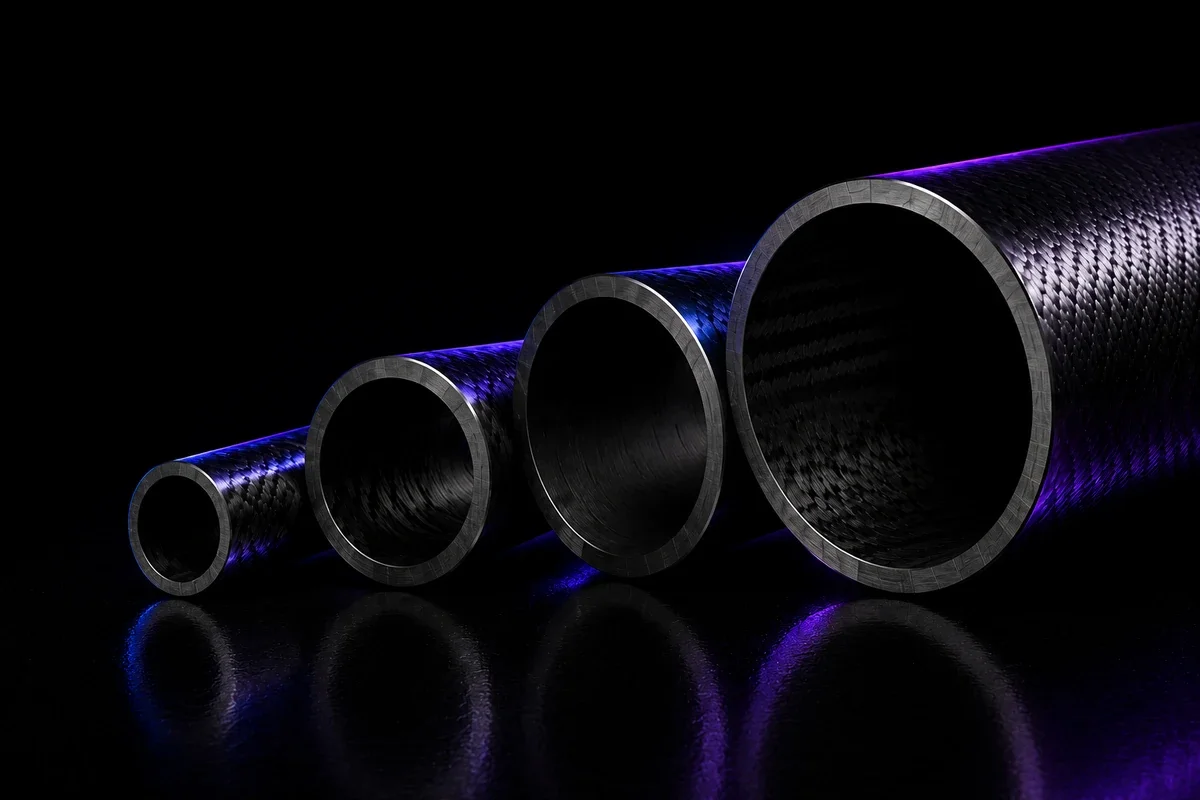
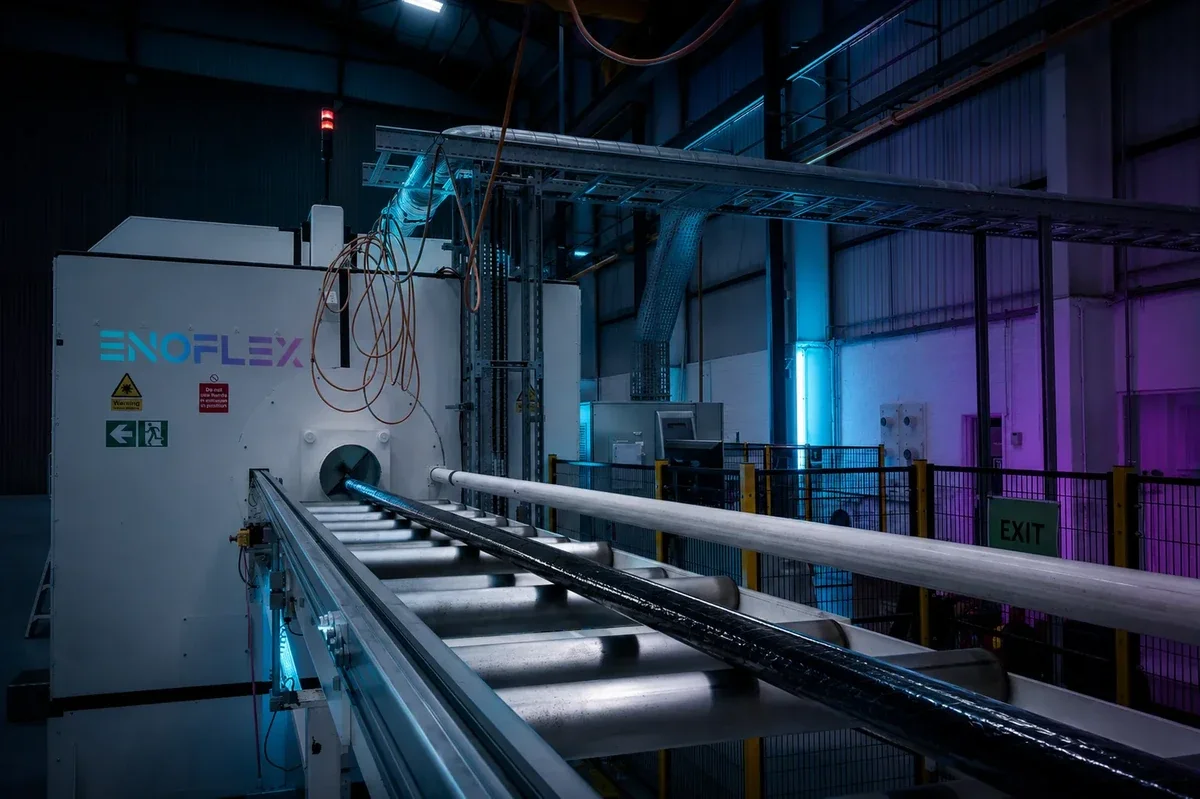
Enoflex develops cryogenic composite pipe for superconducting power cables, LNG terminals and liquid hydrogen systems. Lighter, with a smooth bore, and more thermally stable than steel, Enoflex’s thermoplastic composite pipe, Cryoreel®, reduces complexity, improves efficiency and makes extreme temperature infrastructure viable.

Composite cryostat for cooling and former for HTS cable at -196°C.
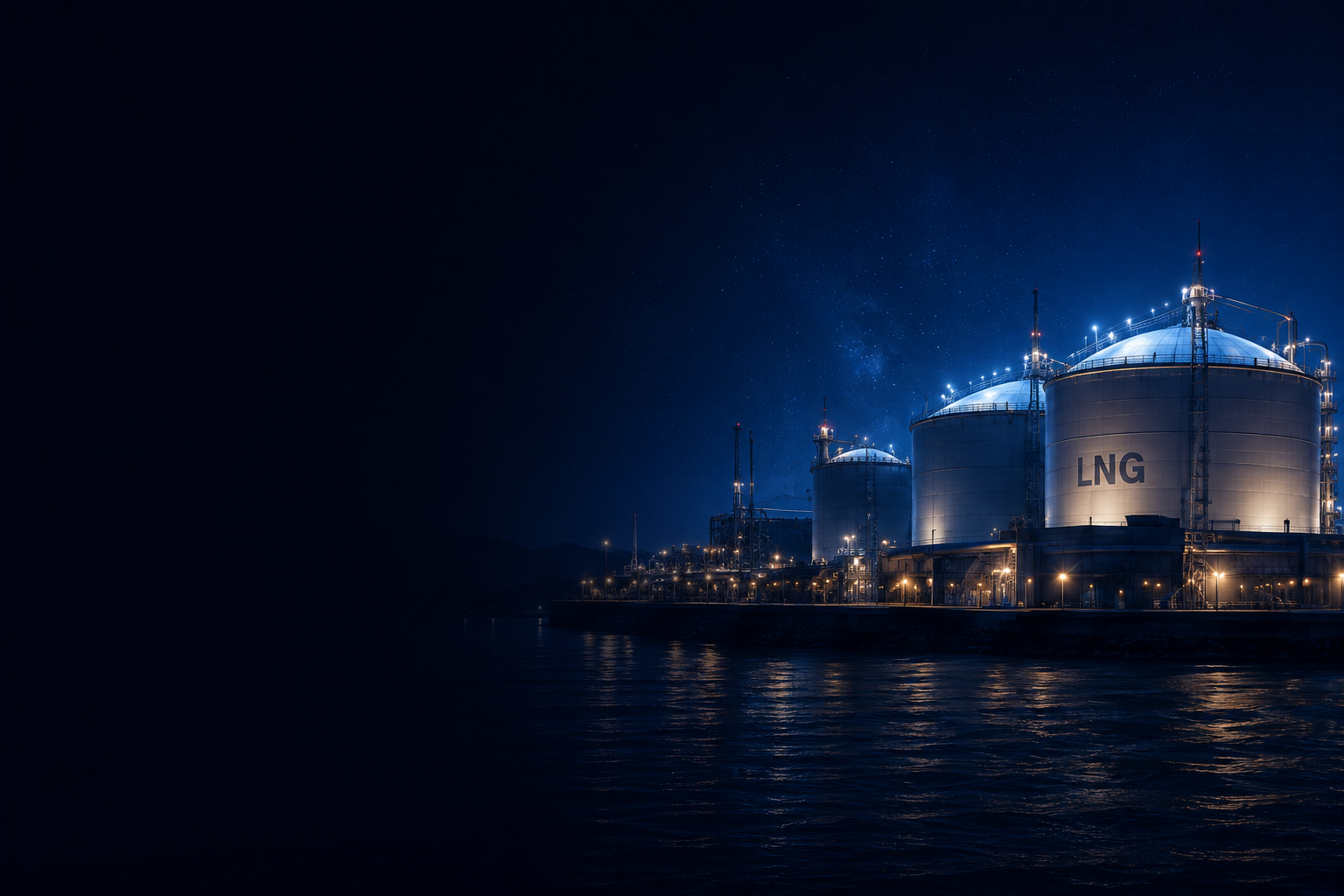
Composite LNG terminals and pipeline at -162°C.
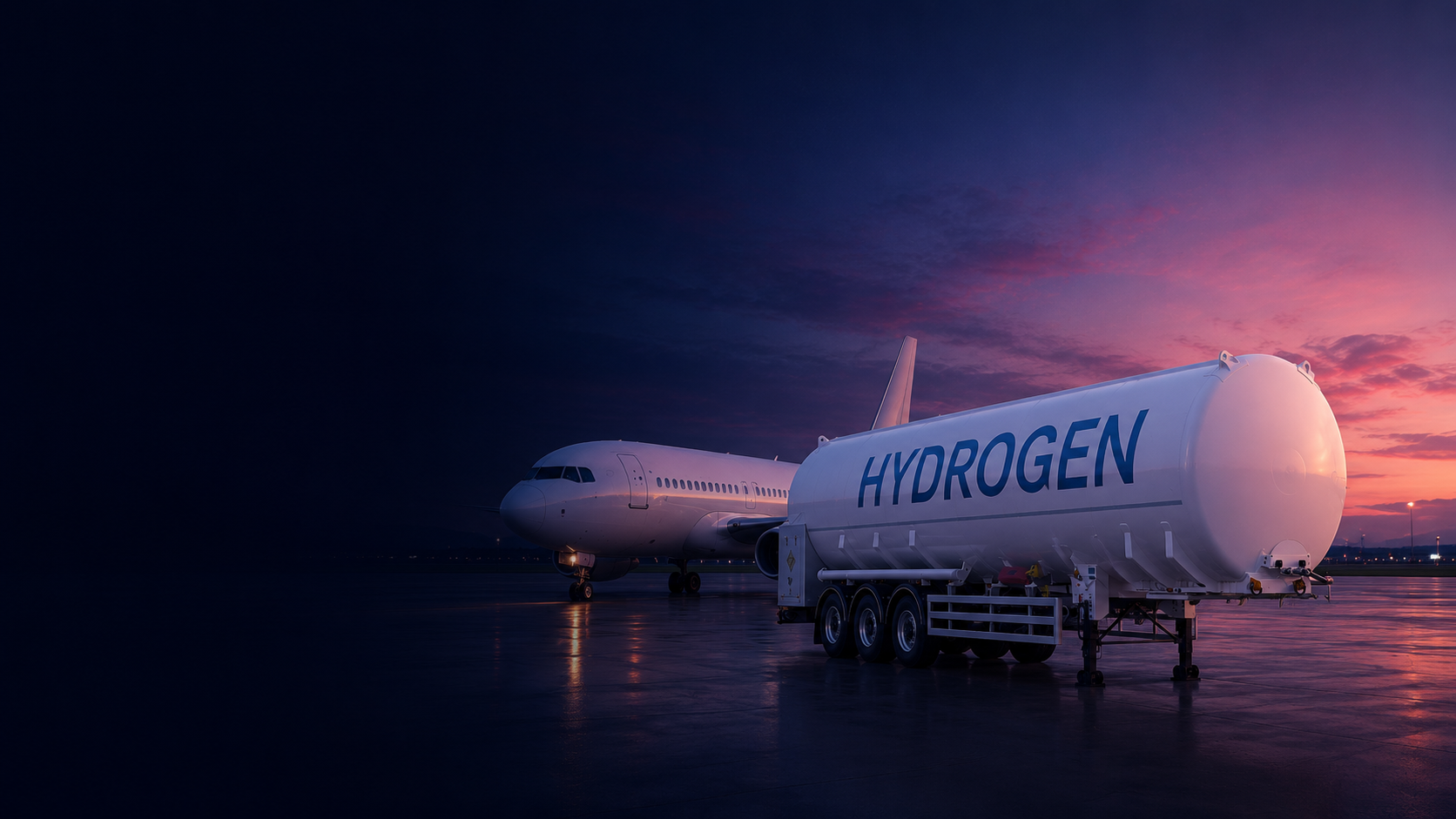
Lightweight composite pipe for liquid hydrogen fuel systems at -253°C.
WHY NOT STEEL?
At cryogenic temperatures, conventional stainless steel pipe becomes a limiting factor rather than a neutral choice of material. Corrugated steel increases friction and turbulent flow resulting in higher pumping losses and liquid boil-off.
Steel's thermal contraction at low temperature places stress on end connections and requires expansion loops that add length, weight and installed cost.
Steel pipe is heavy to transport and typically requires on-site welding, which takes time and introduces a potential point of failure at every join.
For engineers specifying superconducting cable cryostats, LNG recirculation lines or liquid hydrogen fuel systems, these are not abstract material properties. They translate directly into pumping energy, maintenance frequency, installation time and system reliability over the asset's life.
WHY COMPOSITE
KEY ADVANTAGES

Energy efficient
3x lower pressure drop than corrugated steel.

Low thermal shrinking
3x less thermal contraction than steel

High pressure rated
20 to 100 barg

Low-weight flexible
Pulled through in one length
TECHNOLOGY